
Venues
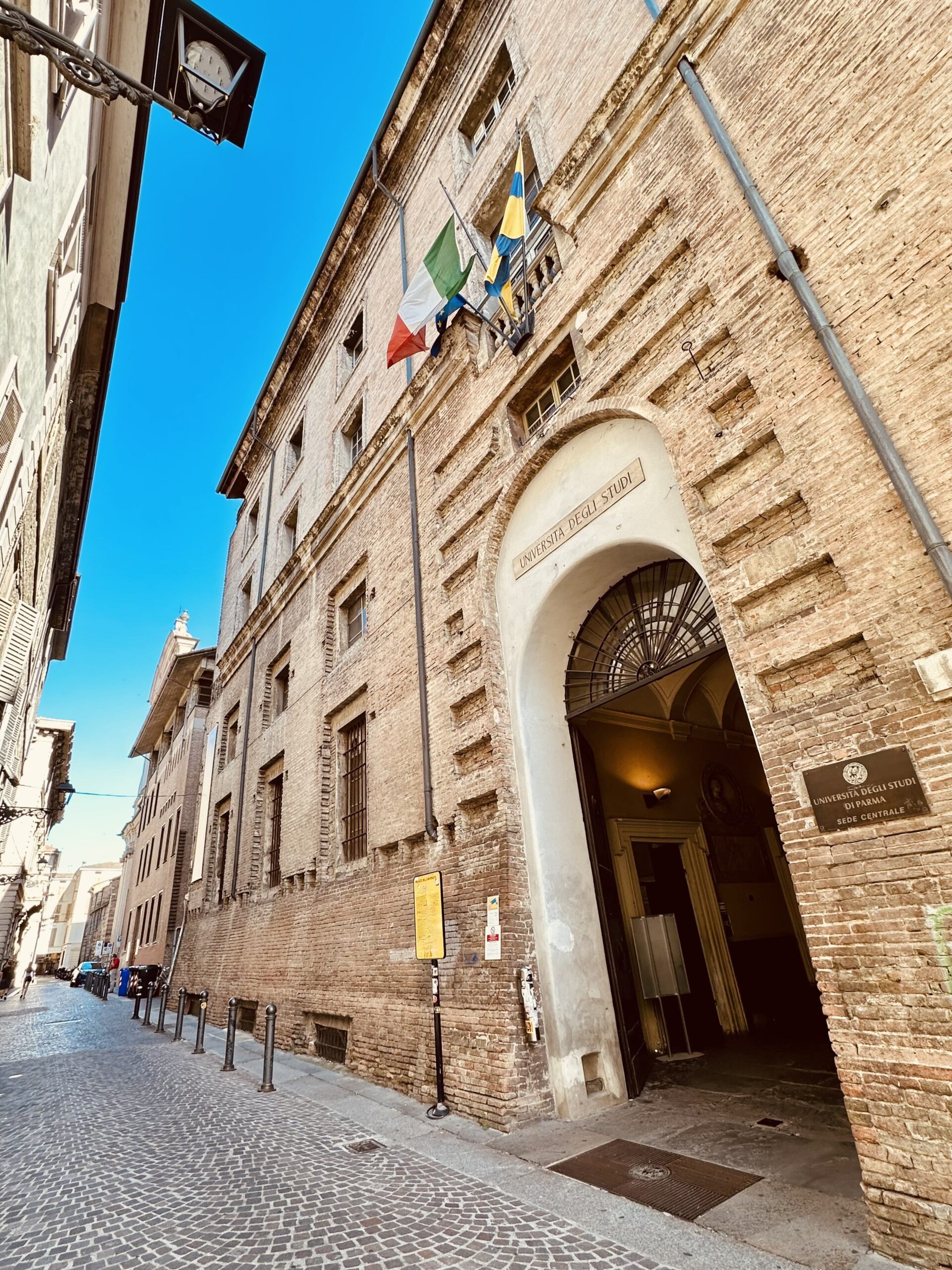
The University of Parma
Founded in 962 AD, the University of Parma (Università degli Studi di Parma) is one of the oldest universities in Italy. Located in the heart of Emilia-Romagna, the university is part of a culturally rich and economically dynamic environment, internationally renowned for its artistic heritage, music tradition, food culture, and high quality of life.
Today, the University of Parma is a multidisciplinary institution hosting around 30,000 students and offering programs across engineering, sciences, medicine, economics, humanities, and social sciences.
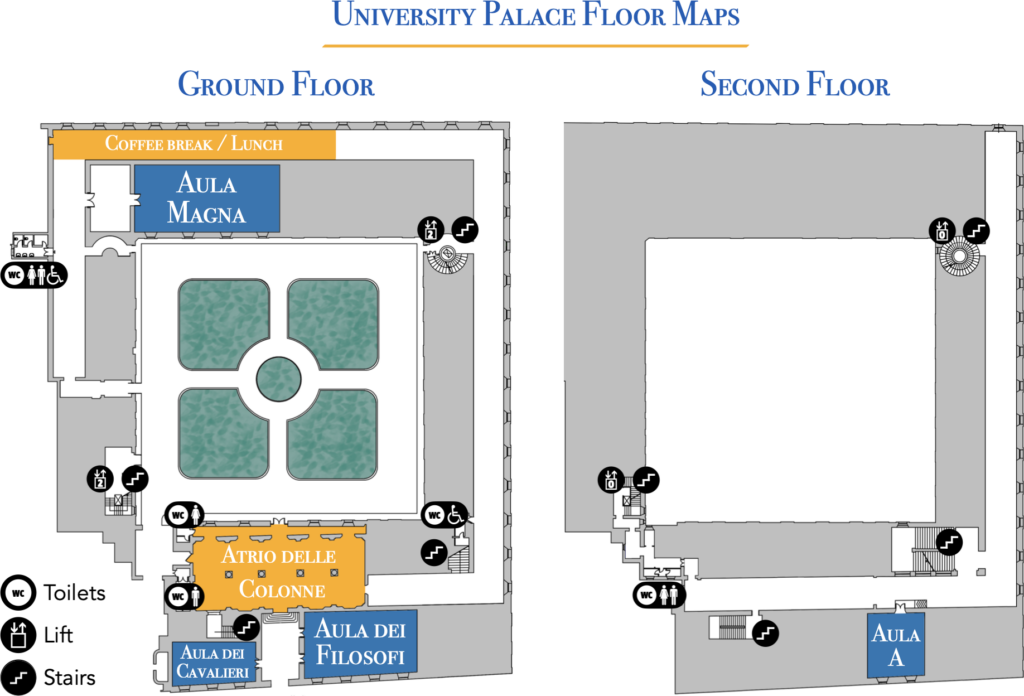
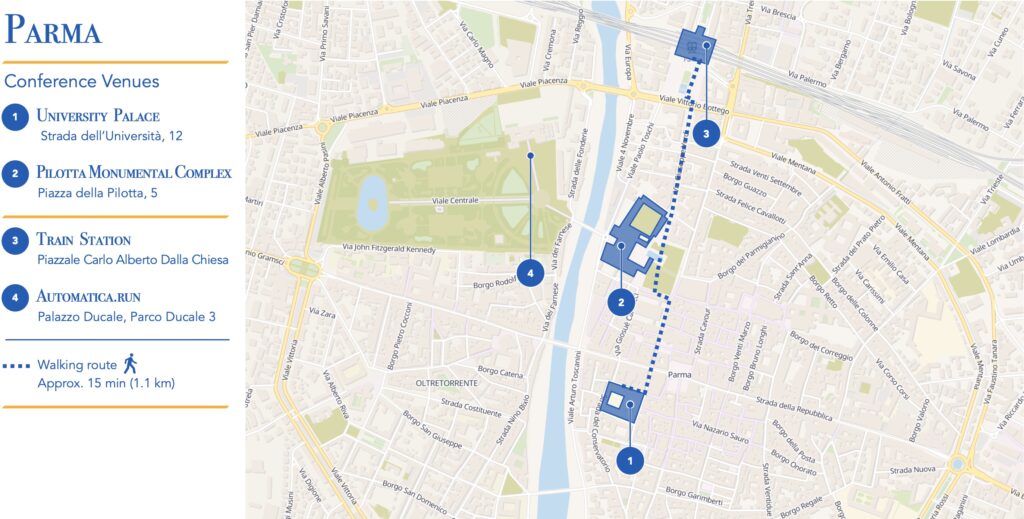
The conference will take place at the University Palace (Palazzo Centrale), the historical main building of the university, located in the city center of Parma. Ordinary sessions and the SIDRA General Assembly will be hosted in the University Palace facilities.
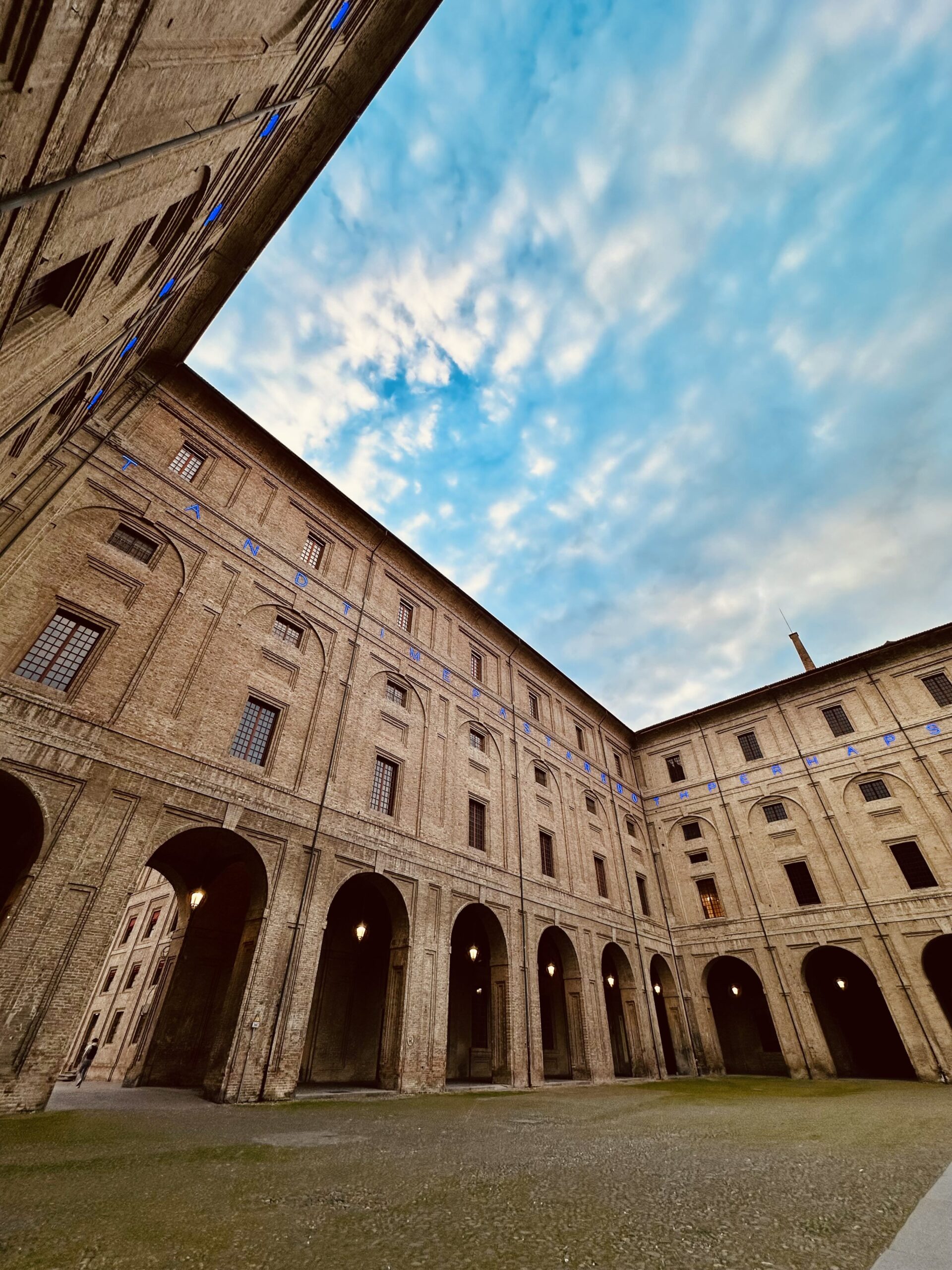
The Farnese Theater
The plenary round table will take place at the Farnese Theater, one of the most remarkable historical theaters in Italy and a unique example of seventeenth-century wooden theatre architecture. Built in 1619 inside the Pilotta Palace by architect Giovan Battista Aleotti, the theatre was originally commissioned by the Farnese family for court celebrations and special performances.
Over the centuries, the theatre experienced periods of neglect and was severely damaged during the Allied bombings of Parma in 1944, which affected large parts of the Pilotta Complex. Following an extensive restoration and reconstruction process carried out after World War II, the Farnese Theater was reopened and is today considered one of the symbolic cultural landmarks of the city.
The Farnese Theater is part of the Pilotta Monumental Complex, located in the historical center of Parma, and its monumental wooden structure and historical atmosphere provide an exceptional setting for the conference plenary event.
The City of Parma
Parma is a historic and elegant city located in the Emilia-Romagna region of northern Italy, renowned for its rich cultural heritage, refined lifestyle, and world-famous gastronomic tradition. With origins dating back to Roman times, Parma has developed over centuries as an important political, artistic, and economic center, leaving a legacy that is still clearly visible in its architecture, urban layout, and cultural institutions.
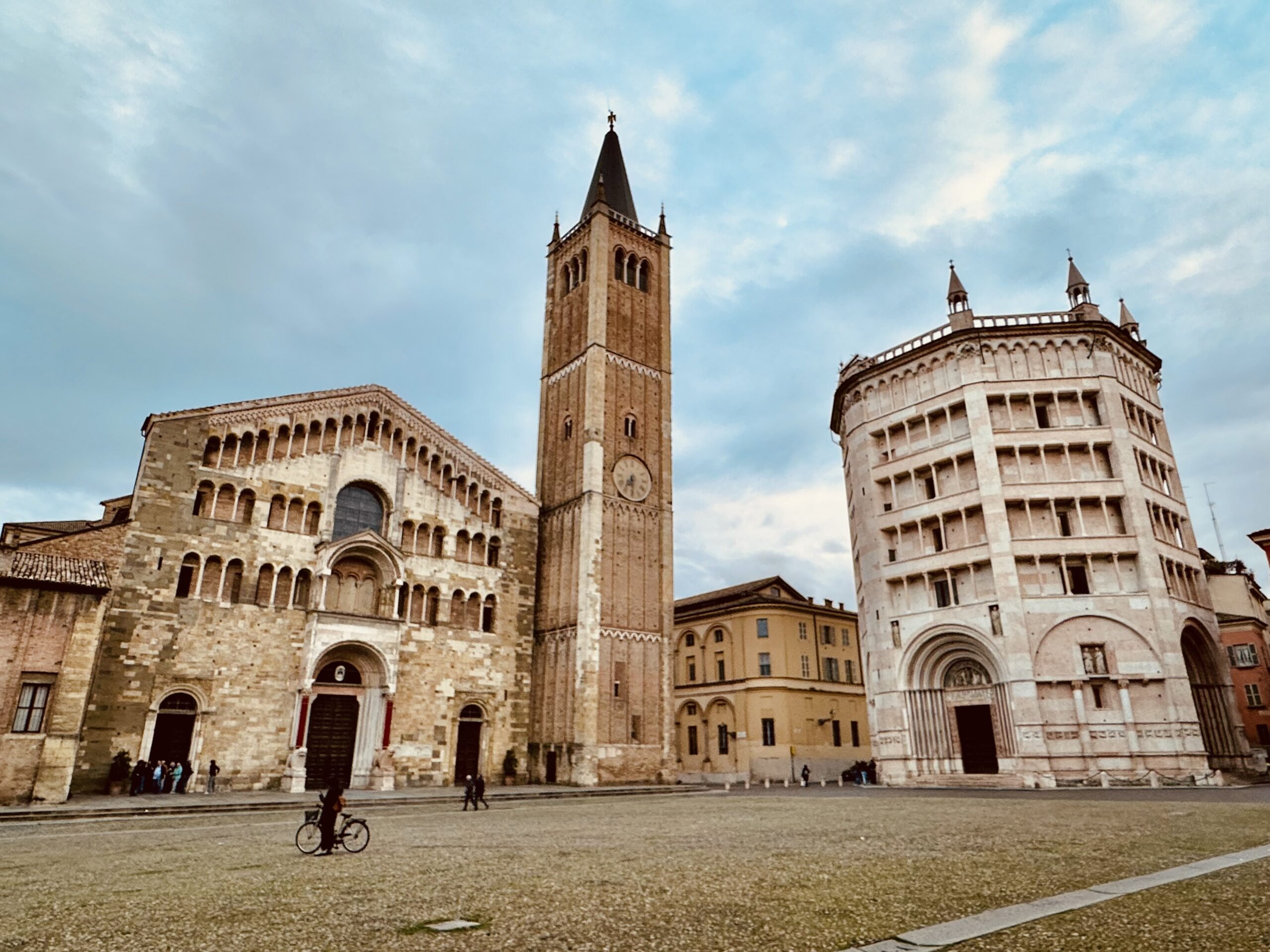
The city is internationally celebrated for its contributions to music and the arts. Parma is closely associated with Giuseppe Verdi, one of Italy’s greatest opera composers, whose legacy is deeply embedded in local cultural life. The Teatro Regio di Parma stands as one of the most prestigious opera houses in Europe, hosting internationally acclaimed performances and festivals. The city’s historical center is equally rich, featuring landmarks such as the Parma Cathedral, a masterpiece of Romanesque architecture, and the adjacent Baptistery, renowned for its pink Verona marble and medieval frescoes.
Parma is also synonymous with culinary excellence. It is the birthplace of iconic products such as Parmigiano Reggiano cheese and Prosciutto di Parma, which have become global symbols of Italian food culture. This strong food tradition has shaped the city’s identity and economy, earning Parma recognition by UNESCO as a Creative City of Gastronomy. Local markets, trattorias, and food-related events reflect a deep respect for quality, tradition, and innovation in gastronomy.
Beyond its artistic and culinary fame, Parma offers a high quality of life. The city combines human-scale urban living with extensive green spaces, such as the Parco Ducale, and a well-developed system of services, education, and healthcare. Its strategic location, close to major Italian cities and transport networks, makes Parma both accessible and attractive for residents, students, and visitors.